Wondering how a bespoke fabrication project actually works from start to finish? This buyer’s walkthrough covers every stage, from initial brief through CAD design, material selection, cutting, welding, and finishing, anchored in real Ashland Engineering project experience.
If you have never commissioned a bespoke fabrication before, the process can feel like a black box. You describe what you need, hand it over, and hope the finished part matches what you had in mind. What happens in between is often unclear.
That uncertainty is worth addressing directly. A bespoke fabrication project has distinct stages, and each one affects the quality, cost, and lead time of what comes out the other end. Understanding those stages helps you brief your fabricator more accurately, set realistic expectations, and make better decisions along the way.
This walkthrough covers each stage of a real project at Ashland Engineering, using genuine customer experience to show what actually happens rather than what a polished brochure might claim.
Where Most Projects Start
The assumption that you need finished engineering drawings before contacting a fabricator is one of the most common reasons buyers delay getting quotes.
You do not. While Ashland manufactures directly from client-supplied CAD files when they exist, many projects start from much rougher starting points. A hand-drawn sketch, a verbal description, a photograph of an existing part, or a worn-out component with no documentation are all valid starting points.
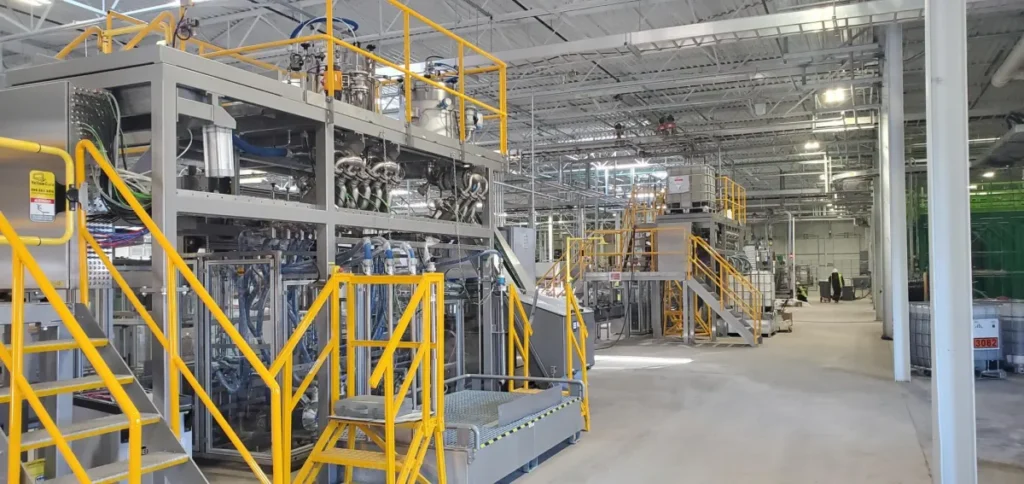
One of Ashland’s real customers came to them without drawings. He needed a bespoke wash system for cleaning engine components destined for a prestigious manufacturer of high-performance powertrains in motorsport. He had a concept, an understanding of what the system needed to do, and a customer waiting for a solution. Andrew did a brilliant job of interpreting his concept and finalising the design in CAD drawings. That is where the project began.
The brief is everything at this stage. The more clearly you can describe what the part needs to do, the environment it will operate in, and any constraints around size, material, or finish, the more accurately the fabricator can advise, design, and quote. If you do not know the answer to every question, say so. A good fabricator asks the right questions and fills in the gaps from their own experience.
Engineering Design and CAD Development
Once the brief is clear, the design work starts. At Ashland Engineering, this happens using 3D parametric CAD software compatible with all major file formats, including STEP, DXF, DWG, and PDF. The team can help turn sketches into production-ready digital twins, refining designs to eliminate costly errors and assembly bottlenecks before the first cut is ever made.
The value of 3D CAD at this stage goes beyond producing a drawing. It lets the customer see exactly what they are about to commission before any material is ordered or cut. It also lets the engineering team check for issues that are invisible on a hand sketch: panels that clash, bend radii that are too tight for the specified material thickness, features that will trap debris or make cleaning difficult.
For the motorsport wash system project, the CAD development stage was where the complexity of the design became visible. The sheet metal fabrication was particularly complicated, requiring the geometry of the enclosure, the internal routing, and the drain points to all work together within a compact overall envelope.
The design goes through a review and approval cycle with the customer before fabrication starts. This matters more than it might seem. Changes at the drawing stage cost next to nothing. Changes after steel has been cut and welded cost significantly more.
Material Selection
Material choice happens in parallel with design development. The right material depends on four things: the environment the part will operate in, the loads it needs to carry, the finish required, and the budget available.
Ashland works in mild steel, stainless steel, aluminium, and specialist materials including high-conductivity copper. Each has a different cost profile, machinability, weldability, and corrosion resistance.
For the motorsport wash system, stainless steel was the only sensible choice. The system contacts engine components from a high-performance manufacturer. Cleanliness and corrosion resistance are non-negotiable. 316-grade stainless, with its higher molybdenum content and superior resistance to chemical attack, was the right specification for a washdown environment where cleaning agents are present daily.
For a structural frame going into a factory environment and receiving a powder coat, mild steel is almost always the right answer on cost and practicality. For a lightweight access panel on a transport vehicle, aluminium makes more sense. The material decision is always application-led, and a fabricator with real experience across all three materials can advise before you commit.
Cutting and Forming
With the design approved and material confirmed, production begins. The flat patterns for every component derive directly from the approved CAD model. This matters because it eliminates the transcription errors that occur when a drawing is re-interpreted manually at the machine.
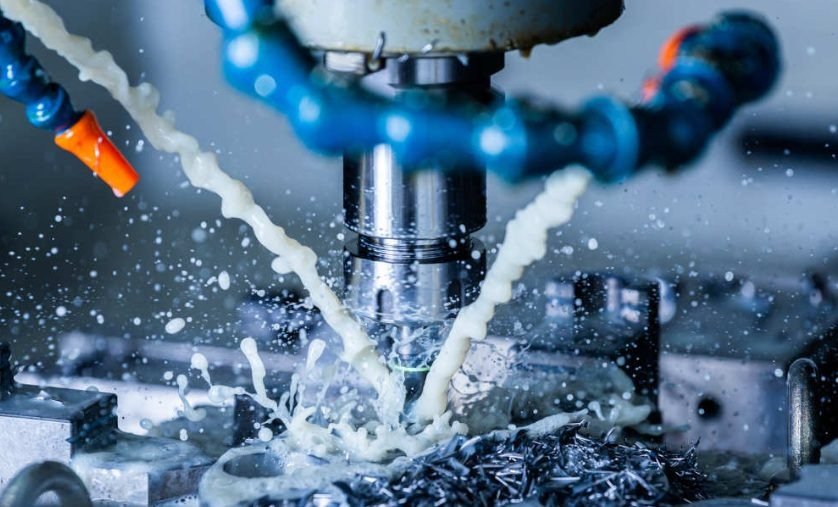
Laser cutting produces the flat sheet components. On stainless steel and mild steel sheet in the typical thickness range for fabricated enclosures and structures, laser cutting holds positional accuracy to around ±0.1mm on cut features and delivers a clean, burr-free edge that requires no secondary dressing before forming. That edge quality affects both the downstream welding and the final appearance of the finished part.
CNC press brake bending follows. The bend sequence is planned from the 3D model. Getting the sequence wrong means a bend becomes inaccessible after an adjacent feature is formed. An experienced press brake operator works through the sequence in the correct order, and the CNC control ensures each bend angle is consistent across every part in the batch.
For the wash system project, the forming stage was where the complexity of the geometry became real work. Compound angles, tight internal clearances, and the need to maintain dimensional accuracy across multiple forming operations on stainless steel all added to the technical demand at this stage.
Welding
Welding is where the flat formed components become a three-dimensional assembly. The welding process selected depends on the material and the finish requirement.
MIG welding suits structural work and batch production where speed and strength matter more than surface finish. TIG welding delivers cleaner, more precise results on stainless steel and aluminium, where the weld face is visible, where hygiene matters, or where the narrower heat input of TIG reduces distortion on thinner gauges.
For the motorsport wash system, the TIG welding was extensive. Every joint needed a consistent, full-penetration weld with a smooth, cleanable surface profile. The welding sequence was planned to manage heat distortion across the assembly. Jigs held panels in position while welds cooled to prevent movement pulling joints out of alignment.
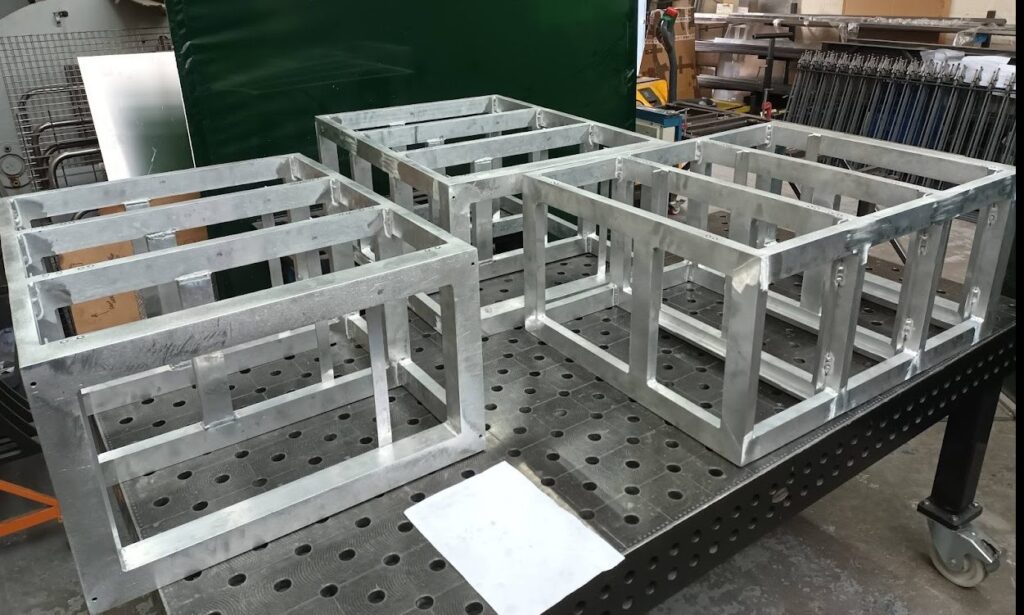
A long-term manufacturing customer describes a different type of welding work: years of collaborative design-and-make projects, with Ashland designing and manufacturing bespoke assembly fixtures, bench extensions, and special-purpose frames for their production line. This work involves a different welding approach, MIG on mild steel structural sections, focused on strength and repeatability across batch production rather than the cosmetic demands of a visible stainless surface.
Both types of welding project go through the same ISO 9001 certified quality system. The welding procedures are documented and controlled. The outcome is consistent regardless of which welder is on the machine.
Finishing
Most fabricated parts need a surface finish before delivery. The right finish depends on the material, the environment, and the aesthetic requirement.
Ashland offers powder coating, hot-dip galvanising, electro-plating, and anodising. All finishing happens in-house, which means the entire project stays under one quality system from first cut to final coat. There are no hand-off delays, no gaps in quality responsibility, and no additional cost from coordinating external finishers.
Powder coating suits most mild steel fabrications. It comes in any RAL or BS colour and delivers a hard-wearing, attractive surface. Hot-dip galvanising beneath a powder coat top layer is the right specification for outdoor structural work where corrosion resistance needs to hold up over many years.
For stainless steel work like the wash system, the finish is inherent in the material and the welding quality. The weld faces are dressed and the surface is cleaned to a consistent finish appropriate for a hygienic application.
Inspection and Delivery
Before any part leaves Ashland’s workshop, it goes through dimensional inspection using calibrated metrology equipment. Critical dimensions are checked against the approved drawing. Under the ISO 9001 quality management system, this inspection is planned before production starts, with specific dimensions identified as critical and the inspection method defined in advance.
The result is a documented record of conformance rather than an informal check at the end of the production run. Customers can request this documentation as part of the delivery package. For OEM customers maintaining their own quality management systems, this traceability is a requirement rather than a nice-to-have.
Once the part passes inspection, delivery is coordinated around the customer’s programme. Lead times are confirmed at the quoting stage and communicated honestly. Proactive updates happen at every stage, so customers never have to chase for information.
For the motorsport customer, the delivery moment carried real weight. The quality of the workmanship surpassed all expectations and the final product looked fantastic. It was a proud moment for me to deliver the wash plant to my customer. They were very impressed with their purchase.
That outcome started with a clear brief and a fabricator willing to engage with a concept rather than waiting for finished drawings.
What This Means If You Are Placing Your First Order
Every bespoke fabrication project is different. The stages are the same: brief, design, material, cut, form, weld, finish, inspect, deliver. What changes is the complexity at each stage and the decisions made along the way.
Ashland Engineering handles everything from one-off prototypes to high-volume series production for OEM customers, across steel, aluminium, stainless steel, and more. The same ISO 9001 certified quality system applies to a single gate for a private customer and a repeat batch of precision machined components for a manufacturer.
If you are at the start of a bespoke fabrication project and unsure where to begin, the most useful thing you can do is pick up the phone or send an email. Share what you have, describe what you need, and let the team ask the questions that turn a rough idea into a production-ready design.
Get in Touch
Contact Ashland Engineering at sales@ashlandengineering.co.uk or call 01908 382 599 to discuss your bespoke fabrication project. You can send drawings, files, sketches, or just a description of what you need. The team will take it from there.