Choosing the right precision engineering partner in Buckinghamshire takes more than a Google search. This guide explains what to look for, what questions to ask, and how to avoid costly mistakes.
Choosing a precision engineering partner is one of the most important decisions a manufacturer, OEM, or product developer can make. Get it right, and you have a supplier who delivers consistent quality, communicates clearly, and grows with your business. Get it wrong, and you face late deliveries, out-of-tolerance parts, and the cost of finding someone new mid-project.
Buckinghamshire has a strong concentration of engineering and manufacturing businesses. That means genuine choice when it comes to selecting a sub-contract engineering partner. But more choice also means more opportunity to pick the wrong one.
This guide walks you through what to look for, what questions to ask, and what red flags to avoid.
What Does a Precision Engineering Partner Actually Do?
A precision engineering partner provides sub-contract machining, fabrication, or both on your behalf. Rather than investing in your own machine tools and skilled operators, you outsource that capability to a specialist.
The relationship works best when it goes beyond transactional. A good precision engineering partner reviews your drawings, flags potential issues before production starts, and advises on design improvements that reduce cost or improve manufacturability. They are not just a machine shop that makes what you send them. They are a technical partner who helps you get the best result.
In Buckinghamshire and the surrounding area, this typically means access to CNC turning, CNC milling, sheet metal fabrication, welding, and surface finishing under one roof. That breadth matters. Splitting a project between multiple suppliers adds cost, complexity, and risk.
Start with Capability, Not Price
The most common mistake buyers make is leading with price. It is understandable. Budget matters. But choosing a precision engineering partner based primarily on who quotes lowest is a reliable way to end up with quality problems.
Start instead with capability. Does this supplier have the equipment and expertise to make your parts to your specification?
CNC Machining Capability
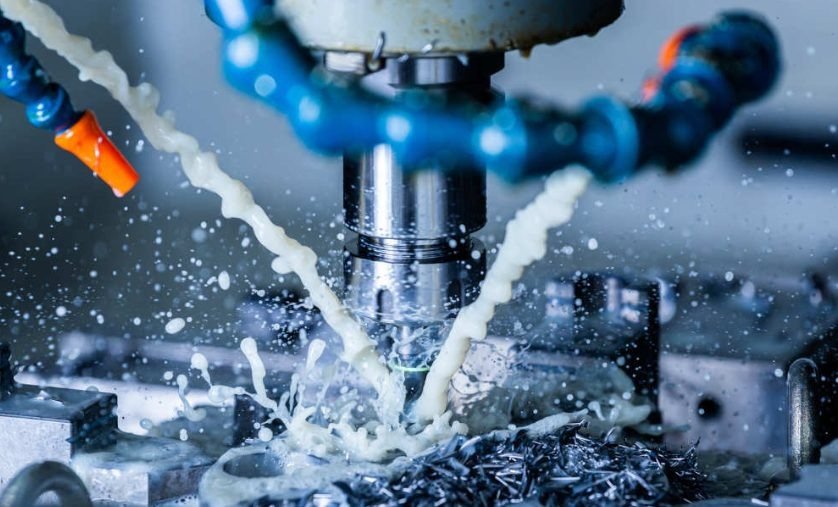
For turned and milled components, check what machines the supplier runs and what tolerances they can consistently achieve. A supplier with modern CNC lathes and vertical machining centres, operated by skilled programmers and machinists, can hold tighter tolerances and turn around work faster than a shop running older manual equipment.
For reference, ISO 2768 defines standard tolerance grades for machined parts. A precision engineering partner should be able to work to fine or medium grade as a minimum, and tighter still on critical features when your drawing specifies it.
Fabrication Capability
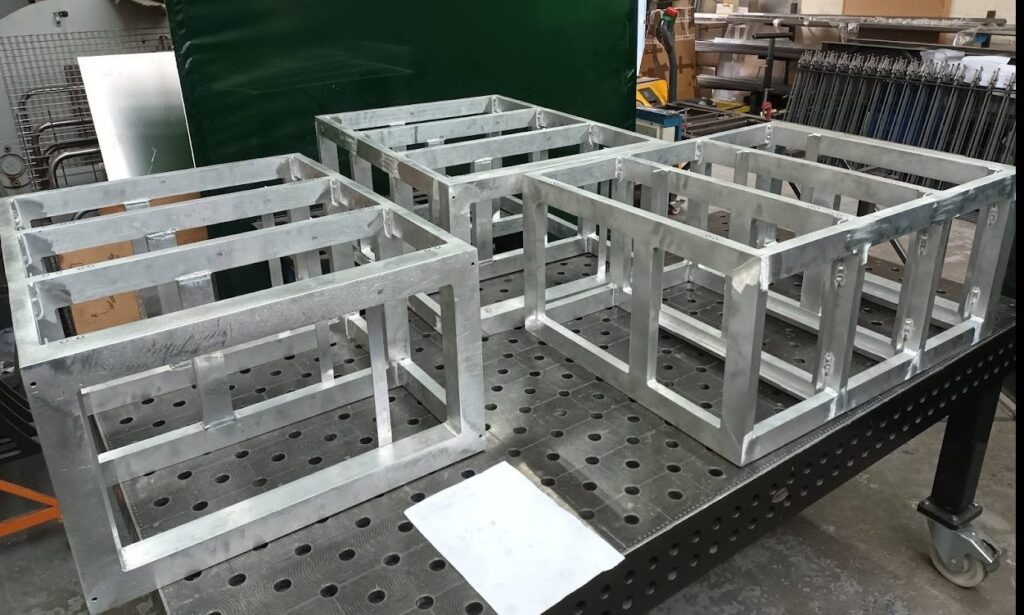
If your project involves sheet metal work alongside machined components, look for a partner who handles both. Laser cutting, press brake forming, MIG welding, and TIG welding should all be available in-house. Outsourcing part of your job to a third party introduces lead time and quality risk.
Materials
Check the supplier works regularly with the materials your parts require. Mild steel, stainless steel, aluminium, and copper all behave differently during machining and fabrication. A supplier who works mainly in mild steel may not have the experience or tooling to handle stainless or aluminium to the same standard.
Check Quality Credentials
Capability on paper means nothing without a quality management system to back it up. When you assess a potential precision engineering partner, quality accreditation is one of the first things to verify.
ISO 9001 Certification
ISO 9001 is the international standard for quality management systems. A supplier certified to ISO 9001 operates documented processes, maintains material traceability, and has formal procedures for handling non-conformances. Certification requires independent audit, so it is a genuine indicator of process maturity rather than a marketing claim.
For sub-contract engineering work, ISO 9001 certification matters because it means your parts are made within a controlled system. Tolerances, materials, and inspection records are documented. If a problem occurs, there is a formal process for investigating and correcting it.
Ask to see the certificate and check the scope covers the work you are placing. Some certificates cover limited activities only.
Inspection Capability
Ask how the supplier inspects finished parts. Visual inspection alone is not enough for precision engineering work. A capable supplier will have calibrated measuring equipment, including micrometers, verniers, and height gauges as a minimum. For tighter tolerance work, CMM inspection capability is a significant advantage.
Assess Communication and Responsiveness
Technical capability matters enormously. So does how a supplier communicates.
A precision engineering partner who does not respond to enquiries promptly, asks no questions about your drawings, or cannot explain their process clearly is a risk regardless of their machine list.
When you send an initial enquiry, pay attention to how they respond. Do they acknowledge receipt quickly? Do they ask sensible questions about your specification? Do they flag any issues with the drawing before quoting?
A supplier who quotes immediately without asking any questions may not have read the drawing carefully. A supplier who comes back with two or three technical questions is engaged with the job.
Responsiveness at the enquiry stage is usually a reasonable indicator of communication throughout the project.
Visit the Facility if You Can
For any significant or ongoing relationship, a site visit is worth the time. Walking the shop floor tells you things a website and a phone call cannot.
Look at how the facility is organised. Is it clean and well-maintained? Are machines in good condition? Do operators appear methodical and careful? A chaotic or poorly maintained shop is a warning sign regardless of what the company claims on its website.
Look also at the team. Are there experienced machinists and fabricators at the machines, or does the shop appear understaffed and overstretched? Sub-contract engineering quality depends heavily on the people doing the work.
Consider Location and Lead Time
For businesses in Buckinghamshire and the surrounding area, working with a local precision engineering partner has practical advantages. Shorter transport distances mean lower delivery costs and less risk of damage in transit. When a part needs to be re-made or adjusted, proximity speeds up the turnaround significantly.
Local suppliers are also easier to visit for technical discussions, drawing reviews, and first article inspections. That face-to-face access matters when a project is complex or when tolerances are tight.
Ashland Engineering in Milton Keynes serves customers across Buckinghamshire, Northamptonshire, Bedfordshire, Hertfordshire, and the wider UK. The location puts them within easy reach of a large concentration of manufacturing businesses across the East Midlands and Home Counties.
Ask for References and Case Studies
A precision engineering partner with a good track record should be able to point to relevant experience. Ask whether they have worked on similar parts or projects. Ask if they can share any customer references or case studies.
Fabricators and machine shops who serve OEMs, manufacturers, and product developers on an ongoing basis have usually earned that repeat business through consistent performance. Long-term customer relationships are a stronger indicator of quality than any marketing material.
Why Ashland Engineering Is the Right Choice for Buckinghamshire Businesses
Ashland Engineering combines in-house CNC machining, sheet metal fabrication, welding, and surface finishing under one roof in Milton Keynes. The team holds ISO 9001 certification and works to documented quality standards on every job, from single prototypes to ongoing batch production supply.
Customers across Buckinghamshire and the surrounding counties choose Ashland as their precision engineering partner because of consistent quality, clear communication, and a team that engages with technical challenges rather than just making what is on the drawing.
Whether you need CNC turned components, laser cut sheet metal assemblies, welded structures, or powder coated fabrications, Ashland handles the full process in-house.
To discuss your project, contact the team at sales@ashlandengineering.co.uk or call 01908 382 599.